Engraved or printed: which lettering actually survives

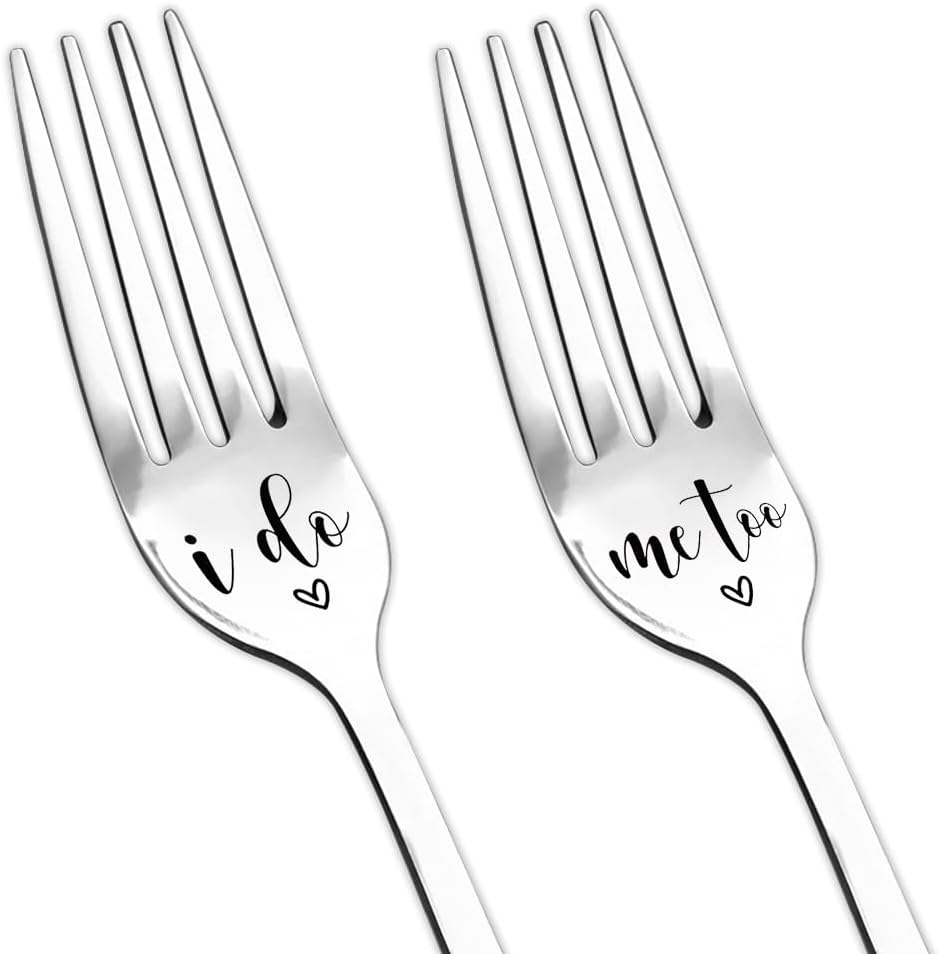
Personalised gifts fail in a predictable way: the object survives and the lettering does not. Since the lettering is the reason it was a gift, that is a total failure dressed up as a partial one, and it is entirely avoidable at the point of purchase.
Laser engraving removes material
An engraved mark is cut into the surface, so there is nothing sitting on top to wear off. On stainless steel this is effectively permanent: the lettering will outlast the object under any normal use.
It is also why engraved lettering is usually a slightly different colour rather than a bold contrast. That is the material showing, not a lack of quality.
Etching is chemical and similar in practice
Acid etching also removes material and behaves much like engraving for durability. On glass it produces the frosted lettering you see on drinkware, which cannot rub off because it is a change to the surface itself.
Both are distinguishable from printing by touch. Run a fingernail across the lettering: if you can feel an edge, it is cut into the surface.
Printing sits on top and comes off
Screen printed and pad printed lettering is ink bonded to the surface. It survives hand washing for a long time and a dishwasher for considerably less, because the combination of heat, detergent and pressure is exactly what breaks that bond.
This is why so many novelty mugs are legible for a year and ghostly by the third. It is not a defect; it is the process performing as it always does.
Vinyl is the one to be careful with
Heat-transfer and adhesive vinyl lettering is applied as a film. It photographs beautifully, it is cheap, and it lifts at the edges within months of regular washing. On anything that will be used daily it is the weakest option by a distance.
You can usually identify it in a photograph by a very slightly raised edge and perfectly uniform colour. If a listing does not say how the lettering is applied, that is worth asking about.
Sublimation is different again
Dye sublimation bonds the design into a coating rather than sitting on top of it, which makes it much more durable than surface printing. It is common on ceramic mugs and on coated steel, and it is a reasonable middle ground.
Its limitation is that it needs a coating to bond into, so it does not appear on bare metal. Where a steel item has a full-colour design, some coating is involved.
What this means for cutlery specifically
Cutlery goes through a dishwasher constantly and is subject to abrasion from other cutlery in the basket. It is the harshest environment in the house for lettering, and printed cutlery does not survive it.
This is why we stock engraved rather than printed pieces in that category. It is not a preference; printed cutlery is a product with a short and disappointing life.
Aprons and textiles
On fabric, screen printing outperforms heat-transfer vinyl substantially. Vinyl cracks along fold lines after a few washes; screen print fades gradually and evenly, which looks much better as it ages.
Wash textiles inside out on a cool cycle and air dry, and either process lasts far longer. Heat in the dryer is what destroys both.
Checking the wording before you commit
Personalised items are made to order and cannot come back on a change of mind, because they cannot be resold. That makes the proofreading step the most important part of the purchase.
Read it aloud, then have someone else read it. Almost every engraving error we hear about is a name spelled the way it sounds rather than the way it is written.
Care that extends the life of any lettering
Hand washing anything printed will roughly double or triple its life. For engraved steel it makes no difference at all, which is one of the practical arguments for choosing it in the first place.
Avoid abrasive scourers on everything. They will not remove engraving but they will dull the surrounding surface, which makes the lettering harder to read.
What to buy for what
For anything that goes in a dishwasher or a washing machine regularly, choose engraved or etched. For a decorative object handled occasionally, printing is fine and gives you colour options engraving cannot.
The listings here state which process has been used wherever the manufacturer specifies it, because it is the difference between a gift that lasts a decade and one that lasts a year.
Engraved pieces in stock
- JDNFYGX King & Queen Matching Couples Apron Set – 2 Waterproof Kitchen Aprons — $15.38
- yaoizeio "I Do, Me Too" Engraved Silver Stainless Steel Dinner Forks, 2-Count — $8.99
See everything in Kitchen & Dining.
The rule of thumb
If you can feel an edge with a fingernail, it is cut into the surface and will last. If it is smooth and full colour, it is on top and it will not survive a dishwasher. Choose accordingly, and proofread twice.
Questions about anything above? Our FAQ covers the usual ones, the Shipping Policy has the delivery detail, and you can contact us directly — we answer within one business day.