Conversation card games that people actually finish

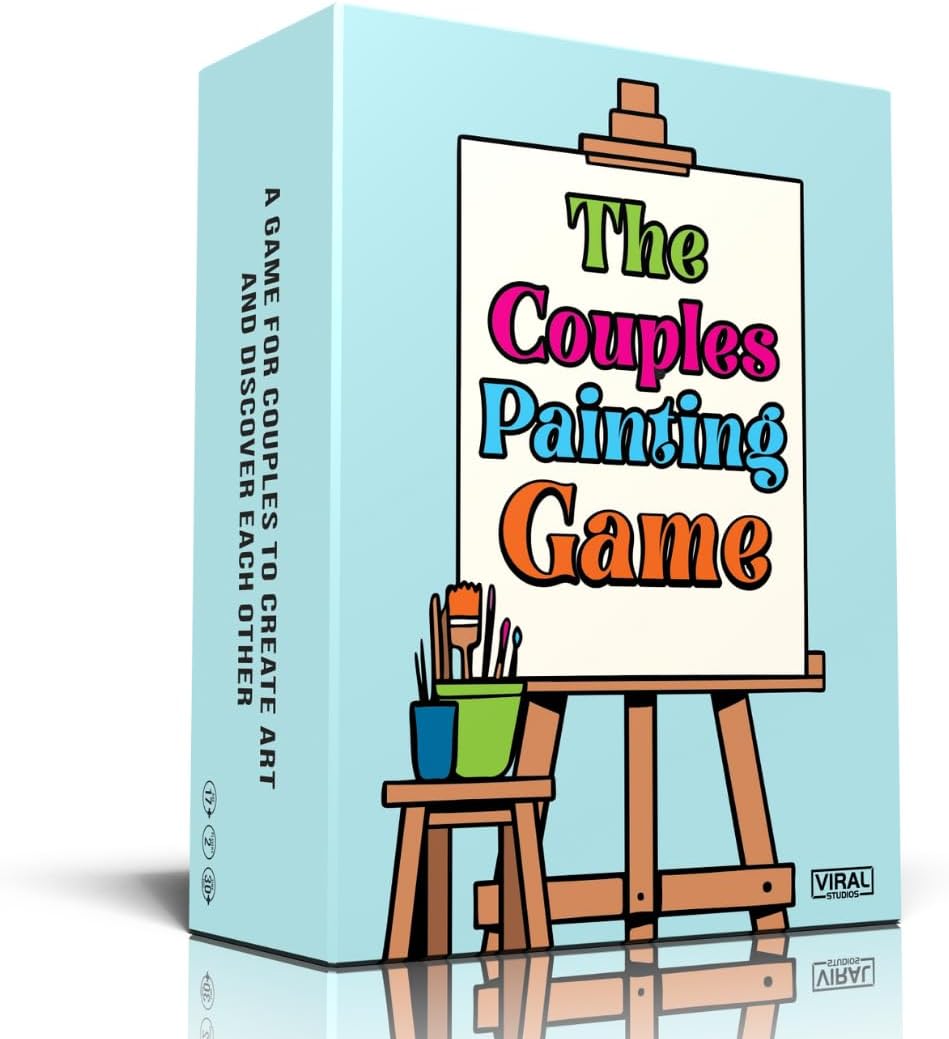
Conversation decks are given far more often than they are finished. The failure is usually structural rather than a matter of willingness, and it is visible in the deck before you open it if you know what to look for.
The opening cards decide everything
A deck that opens with a heavy question asks two people to go deep before they have warmed up, and the usual result is a polite answer and a quiet suggestion to do something else. Good decks start shallow and specific.
Where a deck is levelled or sectioned, that is the design solving this problem. Where it is a single undifferentiated stack, you are relying on the shuffle, and the shuffle does not care.
Specific questions beat profound ones
A question about a particular memory produces an actual answer. A question about the nature of love produces a pause. The decks that work are noticeably more concrete than people expect them to be.
This is the single most reliable indicator of a well-written deck, and you can usually tell from the two or three cards shown in the product photographs.
Card count and the illusion of value
A 150-card deck is not necessarily better than a 60-card one. What matters is how many are good, and a large deck padded with weak prompts trains you to skip, which is how a session ends.
Where the count is high and the deck is sectioned, that is usually a genuine 150 cards. Where it is high and undifferentiated, treat the number with some scepticism.
Both people have to answer
Decks where one person asks and the other answers create an interview. The ones that work either have both people answering every card or alternate explicitly, and the instructions say so.
This is worth checking, because an interview format is exhausting for the person answering and boring for the person asking, and neither of them will suggest a second session.
Skipping should be allowed and stated
A deck that permits skipping gets played for longer, because nobody is cornered. A rule that says you must answer sounds bold and produces a defensive session.
Agree on this before you start, whatever the box says. One pass each, no explanation required, is the version most people find workable.
Activity decks are a different product
Painting kits, date-night dice and scratch-off idea cards are not conversation games; they generate an activity and the conversation happens alongside it. For people who find direct questions uncomfortable, they work considerably better.
It is worth knowing which of the two you are buying, because the failure mode of giving the wrong one is a box that stays sealed.
When not to give one
A conversation deck given to a couple who are struggling reads as a comment rather than a gift, however kindly meant. The same deck given to a couple who are fine is simply a nice evening.
They are also poor gifts for people you do not know well, because the content is intimate by design. This is a category for close relationships or for yourself.
Playing them properly
Phones away, one drink, a fixed end point. A deck played with a television on is a deck abandoned in ten minutes, and setting a stopping point in advance is what makes people willing to start.
Ten to fifteen cards is a full session. Trying to get through a deck in one evening is the commonest way to sour people on the format entirely.
Storage and the second session
Keep a separate pile of cards already used, and stop shuffling them back in. The decks that get finished are the ones where progress is visible; the ones that get abandoned are the ones where every session feels like the first.
A box with two compartments does this for you. Otherwise an elastic band round the used pile is entirely sufficient.
As a gift for a wedding or an anniversary
These work well as an addition rather than as the main gift, because the recipient has to want to play. Pairing a deck with something physical hedges that, and it is how most people give them successfully.
A note suggesting a specific occasion — the first quiet evening after the wedding, a particular night — makes it likelier to be opened than a deck handed over without a frame.
Games in stock
See everything in Games & Puzzles.
Getting the most from one
Look for a deck that is sectioned or levelled, with concrete questions rather than profound ones, where both people answer and skipping is permitted. Then play fifteen cards with the television off and keep the used ones separate.
Questions about anything above? Our FAQ covers the usual ones, the Shipping Policy has the delivery detail, and you can contact us directly — we answer within one business day.